
Skills in Demand Visa
Subclass 482
The 482 Skills in Demand (SID) visa allows skilled professionals to live and work full-time in Australia for an approved sponsoring employer, with the option to include dependent family members.
It offers two pathways: Core Skills, requiring an occupation on the Core Skills Occupation List (CSOL), and Specialist Skills, requiring high-skill ANZSCO Major Group 1, 2, 4, 5 or 6 roles with a minimum salary of $141,210. Both streams allow stays up to 4 years, or 5 years for Hong Kong passport holders.

General Skills Migration
Subclass 189, 190 and 491
Australia’s General Skilled Migration (GSM) program allows skilled workers to migrate without employer sponsorship. Applicants must have an occupation on Australia’s skilled occupation list and are invited based on points awarded for age, English ability, work experience and qualifications.
GSM is a popular pathway to permanent residency, offering flexibility to work for any employer. Key visas include the Skilled Independent (189), Skilled Nominated (190) and Skilled Work Regional (491), designed to address national skill shortages.
Regional Work Visas
Subclass 491, 494 and 191
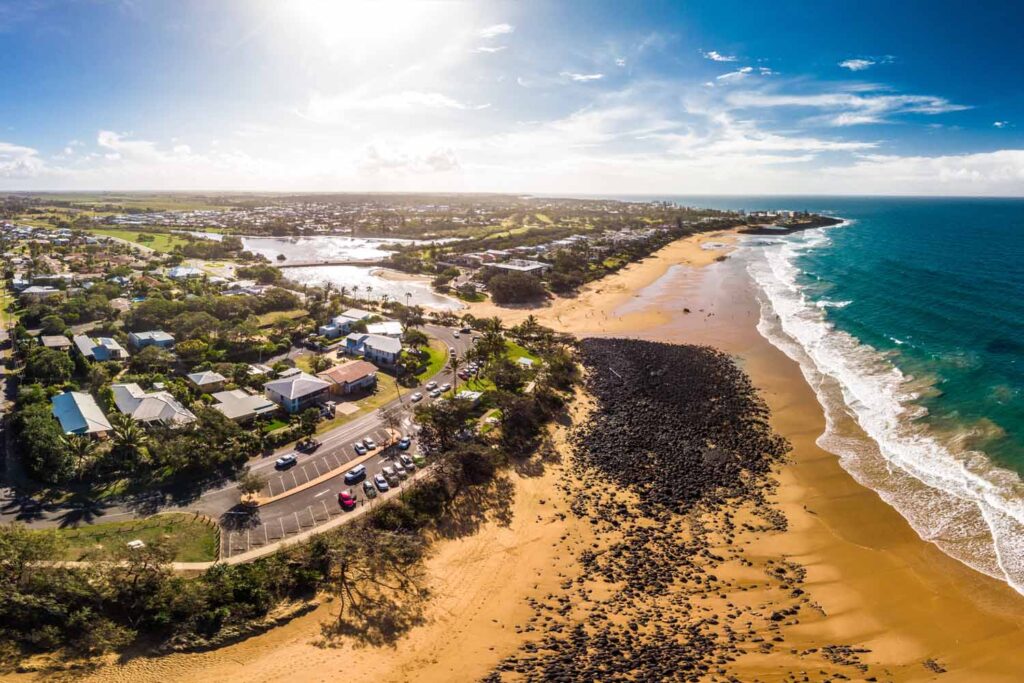
Australia’s key regional visas, the Subclass 491 Skilled Work Regional (points tested) and Subclass 494 Skilled Employer Sponsored Regional, allow skilled workers to live, work and study in designated regional areas for up to five years. Both provide a pathway to permanent residency after three years via the subclass 191 visa.
Applicants for these visas need a skills assessment and require state/territory nomination, or employer or eligible family sponsorship. These visas support regional growth and offer benefits such as lower living costs and strong local job demand.

Employer sponsored permanent residency
Subclass 186
Australia’s Employer Nomination Scheme (ENS) Visa – Subclass 186 provides a pathway to permanent residency for skilled workers nominated by an Australian employer. Applicants must meet occupation, skills, English, health and character requirements.
The visa has three streams: Direct Entry, for workers nominated for a permanent role (skills assessment required); Temporary Residence Transition, for 482 holders who have worked with the same employer for the required period; and the Labour Agreement stream for roles under an approved labour agreement.

Partner Visas
Subclasses 300, 309/100 and 820/801
Partner visas allow Australian citizens, permanent residents and eligible New Zealand citizens to sponsor their overseas partner to live in Australia.
To qualify, the couple must be in a genuine, committed relationship. The best visa option depends on factors such as whether the partner is applying onshore or offshore and the stage of the relationship.
The Prospective Marriage Visa is for engaged applicants outside Australia. Once granted, you can enter Australia, marry within 9 months and continue with the onshore Partner Visa application.

Parent Visas
Subclass 103, 143, 173, 804, 864, 884, 870 and 173
Australia offers multiple Parent Visa pathways for parents to migrate and join their children in Australia. Applicants must be sponsored by an Australian citizen, permanent resident or eligible New Zealand citizen and generally meet the Balance of Family Test, showing most children live in Australia.
Both onshore and offshore visa options are available, each with different eligibility criteria and processing times. Expert migration support can help families select the best Parent Visa pathway for their situation.

Working Holiday Visas
Subclasses 417
The Australia Working Holiday Visa lets eligible travellers aged 18–30 (or 18–35 for some countries) work and holiday in Australia for up to 36 months. Applicants must hold a passport from an eligible country, apply offshore for their first visa, and show sufficient funds—usually around AUD $5,000 plus a return ticket or equivalent funds.
The visa allows only casual work, with a limit of 6 months per employer, and you cannot bring dependent children. Eligible applicants may apply for up to three visas in total.
Resident Return Visas
Subclasses 155 and 157
The Resident Return Visa (RRV) allows current or former Australian permanent residents, and former citizens (who lost or who renounced their Australian citizenship), to retain or regain their permanent resident status when returning to Australia. If your permanent visa has expired or its five-year travel facility has lapsed while you are overseas, you must hold a valid RRV to re-enter Australia as a permanent resident.
RRVs may be granted for 5 years, 1 year or 3 months, depending on your residence history and ties to Australia. This visa restores full permanent residency rights, including the ability to live, work and study in Australia indefinitely.
Australian citizenship
Australia is a highly diverse nation with over 250 cultural communities, making immigration central to its identity.
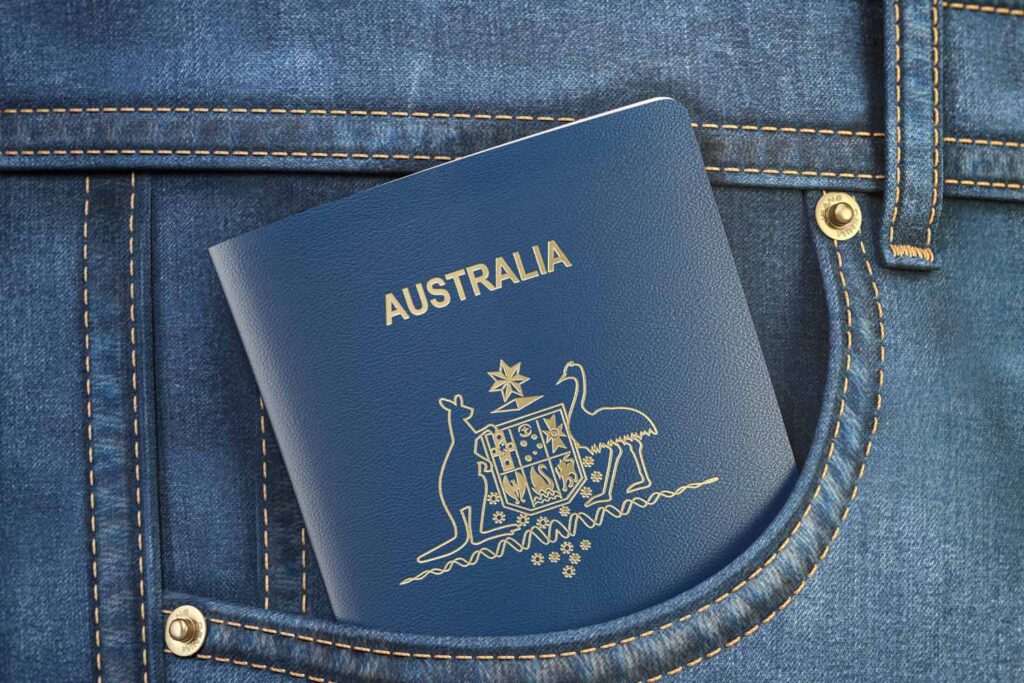
Gaining Australian citizenship is the final step in building a long-term future in Australia and provides major advantages. Citizens receive a lifelong right to live in Australia, access to an Australian passport with strong global travel freedom, eligibility for education loans and broader social, economic and employment opportunities.